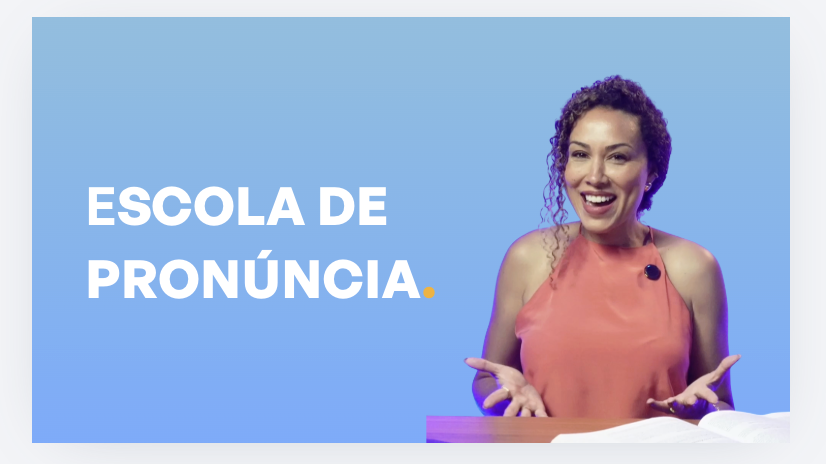
Escola de Pronúncia

Course Content
START HERE
Welcome Video
You don't currently have access to this content
Your Journey
You don't currently have access to this content
How the Platform Works
You don't currently have access to this content
Meet Your Instructor
You don't currently have access to this content
FUNDAMENTAL PRINCIPLES
Checkpoint?? – not sure what to do
You don't currently have access to this content
MODULE 1: STOP SOUNDS
Checkpoint?
You don't currently have access to this content
Intro to Module 1: Stop Sounds
You don't currently have access to this content
Music Video: OneRepublic – Counting Stars
You don't currently have access to this content
MODULE: DARK L
Intro to Module 2: Dark L
You don't currently have access to this content
Music Video: John Legend – All of Me
You don't currently have access to this content
MODULE: THE AMERICAN /R/
Intro to Module x: American R
You don't currently have access to this content